
OUR PATH TO A
BRIGHTER FUTURE
Annual Sustainability Report
Published in 2026

About Shepherd
The Shepherd Chemical Company is a fourth-generation, family-owned company that develops and manufactures metal-based chemistry for the global marketplace. Shepherd’s core purpose is Creating Value that Brightens Lives. Its specialty chemicals are essential to technologies for consumer safety, environmental sustainability, advanced product performance, and industrial process efficiency.
Partnering with industries from airbags and tires to fragrance and personal care, from industrial components and polyurethanes to lubricants and catalysts, Shepherd collaborates on both standard and custom co-developed metal chemistry. Shepherd has a passion for innovation and over 100 years of expertise working with customers from initial concept to packaged product.
Shepherd operates three manufacturing plants in North America and Europe, manages sales and distribution offices worldwide, and every day more than 250 employees pursue Shepherd’s core purpose.
SHEPHERD CHEMICAL EXISTS TO CREATE VALUE THAT BRIGHTENS LIVES BY
- Providing World Class Customer Service
- Being a Great Place to Work
- Positively Impacting Communities and Society
- Achieving Long-Term Profitable Growth
About the Report
This report demonstrates Shepherd’s long-term responsibility for, and commitment to Our Company, Our Customers, Our Community, and Our Environment. Building on Shepherd’s century-long history of responsible stewardship, customer service, and groundbreaking innovation, Shepherd is ushering in a new era of sustainability leadership. The company will transparently share with all stakeholders its commitments, demonstrate progress, showcase innovation, and highlight the amazing Shepherd team.
The Sustainability Strategy is built on three pillars: Conserve, Protect, and Contribute. For each pillar, the objective is to highlight the most significant sustainability topics. Conserve focuses on improving resource and energy use. Protect captures the company’s commitment to making a positive impact on people and the environment. Contribute showcases Shepherd’s engagement with the community, investment in employee wellness, and ability to create innovative, sustainable chemistries that Brighten Lives.
In this report, you will find sections dedicated to each of the three pillars, including commitments, data reporting, certifications, alignment with the United Nations Sustainable Development Goals, Shepherd’s Ecovadis rating, and various highlights from across the organization.
Except where otherwise mentioned, the data in this report includes US Operations.
You are invited to join Shepherd in the next chapter of a longstanding commitment to Creating Value that Brightens Lives.






A Message From our CEO About Sustainability

Our Core Purpose
At Shepherd Chemical, our work is guided by a simple but enduring purpose: To Create Value that Brightens Lives. This core purpose shapes how we think about our customers, our team members, our communities, and the long-term health of the world we share. Sustainability is one of the tangible ways this purpose is demonstrated — in the choices we make, the investments we prioritize, and the discipline required to balance progress today with responsibility for tomorrow.
Over the past twelve months, some of our sustainability metrics have not improved as much as we would have liked. Lower sales volumes have influenced several of our intensity-based measures, and as a result, certain trends have moved off their intended paths. Here’s how we are responding.
This report covers the actions within our control that, we believe, will matter most over the long term. We have made targeted investments in utility and infrastructure upgrades — including boilers, air compressors, lighting systems, and electrical metering — to ensure that we are decreasing our energy intensity and deriving more value from the energy we do consume. In addition, we have formed a dedicated utility conservation team with clear goals and targets focused on improving behaviors, identifying opportunities, and recommending improvements across our operations.
Safety continues to be foundational to Creating Value that Brightens Lives. Over the past year, we have strengthened our SafeStart practice and re-focused our training programs. These efforts reflect an increased emphasis on leadership engagement, knowledge sharing, and consistent practices across our facilities, all aimed at building a safer and more resilient organization.
Sustainability progress is rarely linear. It requires persistence, learning, and a willingness to adjust when conditions change. While this report reflects some challenges, it also reflects momentum — new programs, sharper focus, and a clear commitment to improvement. We remain confident in our direction and committed to the work ahead, with the goal of being more sustainable tomorrow than we are today while continuing to create lasting value that brightens lives.


conserve
We CONSERVE through conscientious sourcing for sustainable metal chemistry, and by minimizing waste and optimizing our use of resources through recycling, energy, and water conservation and responsible consumption and reduction of raw materials.
R&D and Operations Impact Categories
WATER
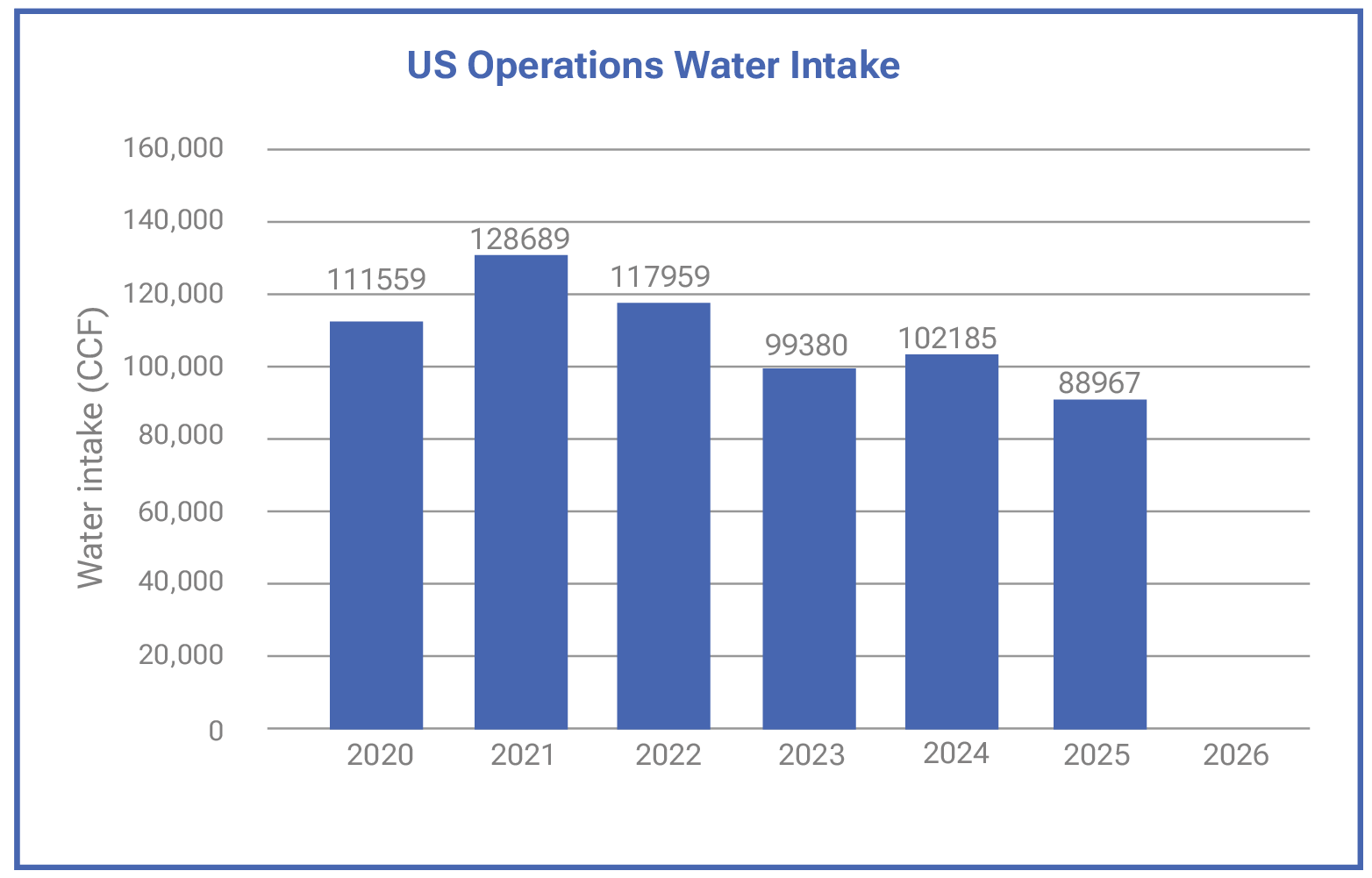
Water intake at Shepherd Chemical has steadily decreased over the last 9 years. Several factors have contributed to this decline, including variation in production mix and volumes, and projects intended to reduce unnecessary water consumption. Water intake has reduced 27% from a 2017–2019 three-year average baseline to the most recent 2023–2025 three-year average. Efforts are underway in early 2026 to complete Water Body Risk Assessments for US sites to increase understanding of the impacts of our operations on water bodies.
ENERGY
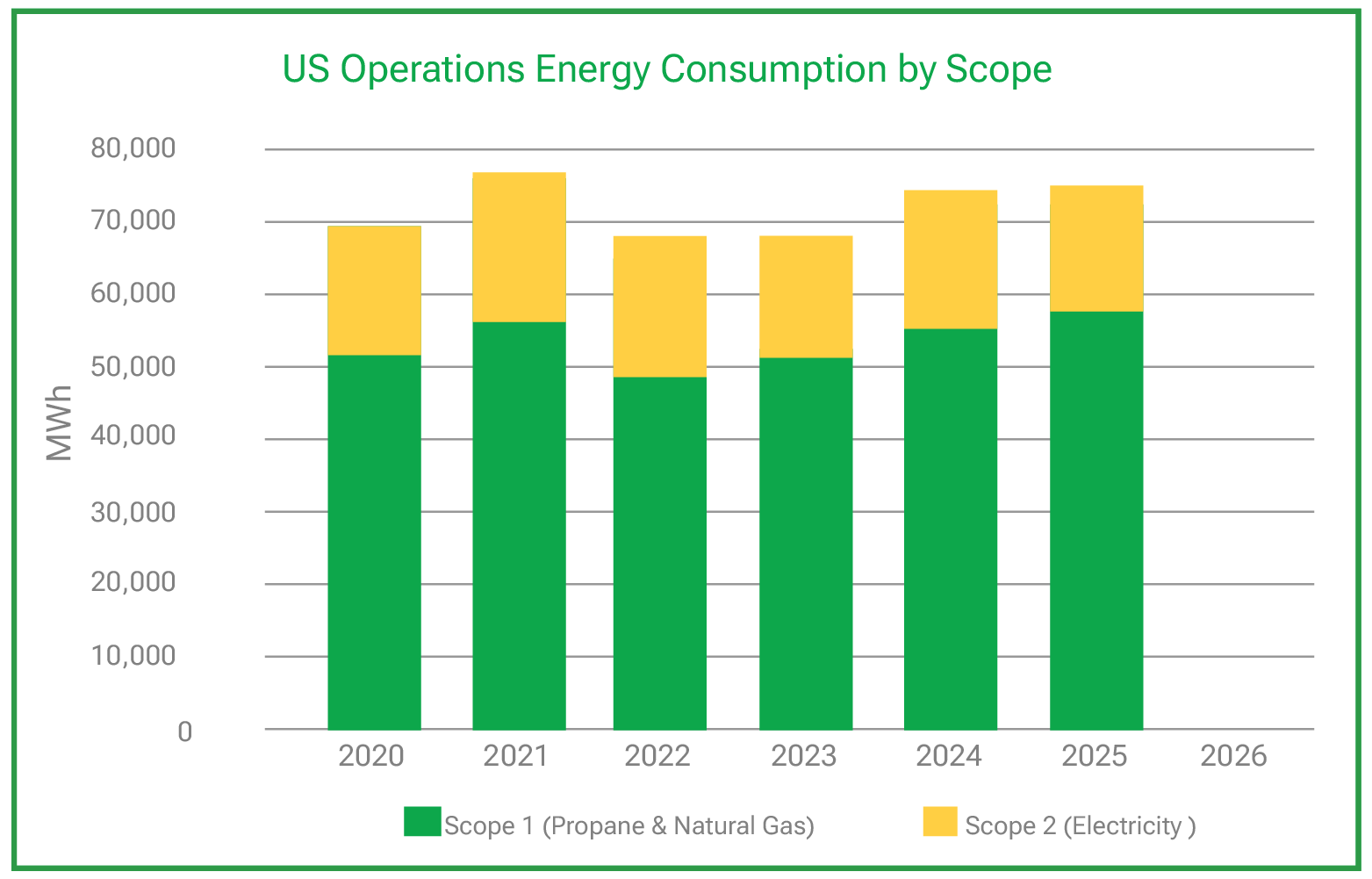
Energy consumption remains relatively stable at Shepherd Chemical US. There is a notable decrease in natural gas consumption levels in 2022 and 2023, primarily attributed to measurement error by the utility provider that has since been corrected. Shepherd’s utility conservation team is actively working to identify and implement projects to reduce unnecessary electricity, gas, and water consumption in our operations.


Waste, Emissions & Circularity
Shepherd has a rich history filled with stories of delivering innovative solutions to customers. The R&D team is the catalyst and driving force behind these innovative outcomes. Our New Product Development (NPD) process is an iterative and collaborative process to develop new products that are tailored to meet customers’ needs. The NPD process stage-gates ensure that the environmental and sustainability impacts of each project are analyzed. This includes safer chemistry reviews, circularity assessments, greenhouse gas (GHG) emission calculations, and identification of opportunities to reduce waste.
Across our operations, opportunities are identified and acted on to recycle packaging, equipment, and waste streams. One of our significant waste reduction activities is the reclamation of metals through wastewater treatment. Removing these materials from wastewater while simultaneously innovating to reduce waste from process units supports compliance efforts, reduces costs, and drives sustainability.
Product Stewardship
Shepherd always considers the risks of its products in the intended and designed application of their use. The company works to understand and communicate the hazards, risks, and appropriate risk controls to relevant stakeholders. The team at Shepherd continually monitors changes in regulations and available information on hazards and risks.
Process Innovation
ADVANCING SAFER, MORE SUSTAINABLE PERSONAL CARE INGREDIENTS
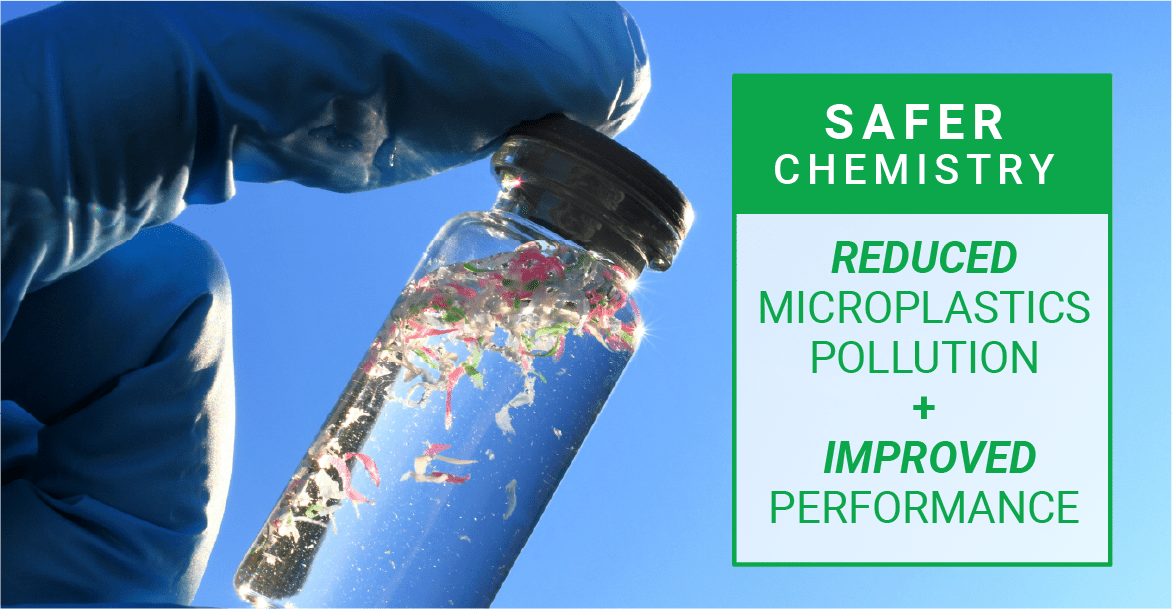
Some personal care products contain ingredients that present health and environmental risks. Consumer product manufacturers have been working with Shepherd Chemical to reduce those risks by replacing legacy ingredients with safer alternatives.
For example, microplastics are present in many cosmetics for oil absorption. Shepherd developed and manufactures a silica-based product which serves as a sustainable replacement for microplastics. Shepherd’s silica-based product offers improved performance in many applications while reducing microplastic pollution.
In another case, certain personal care products have anti-odor ingredients such as phthalates and parabens. These ingredients can be endocrine disruptors or cause irritation.[1,2] Shepherd Chemical has co-developed new active ingredients that are free of phthalates and parabens while maintaining product performance. These new active ingredients chemically react with odor-causing compounds and lock them up as a benign alternative.
Finally, approximately 50% of U.S. adults have dandruff at one point or another in their lives, and anti-dandruff shampoos are one of the most common over-the-counter medications. Most of the active ingredients rely on amines or selenium, both of which have known health hazards.[3,4] Shepherd Chemical offers an alternative component that eliminates these problems while still being effective for most people. By working with customers to develop replacement additives, Shepherd Chemical is making a positive impact on consumers using a variety of healthcare and beauty products.
Shepherd Mirecourt

REDUCING ENERGY USE & IMPROVING SAFETY AT SHEPHERD MIRECOURT
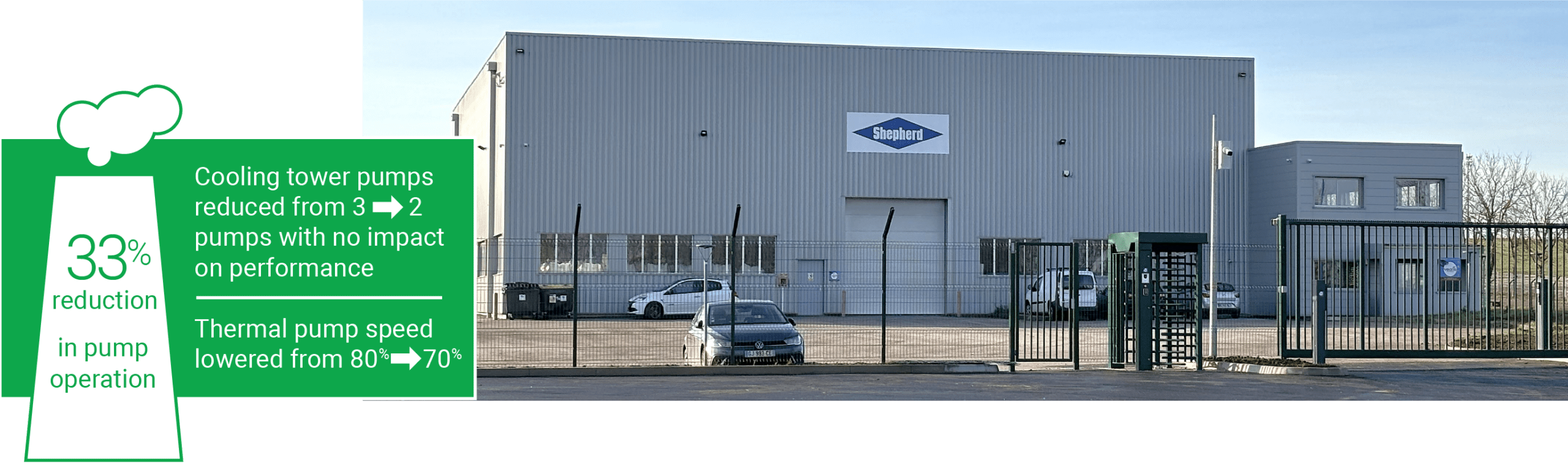
An energy audit was conducted at Shepherd Mirecourt in France to assess electrical & natural gas consumption, identify the primary sources of energy use, and highlight opportunities for efficiency improvements. The analysis revealed that approximately 25 percent of total electricity consumption was attributable to the cooling tower circulation pumps. Prior to the audit, three pumps were operating concurrently. One key recommendation was to reduce operation to two pumps, achieving energy savings without compromising cooling performance.
In addition, the operating speed of the thermal pumps was reduced from 80% to 70%, lowering flow rates and further improving energy efficiency.
From a safety standpoint, on-site truck traffic patterns were evaluated and improved. Previously, trucks entered and exited the facility using the same narrow roadway. Traffic flow has since been reconfigured into a one way system, with designated entry and exit routes. This change eliminates crossing points and significantly enhances safety within the facility as well as in the surrounding industrial area. It also removes truck traffic from a nearby high traffic roadway.
Shepherd Chemical is also collaborating with an external partner to explore recycling solutions for certain solvents used in production, specifically D60 and butanol associated with COMEND CM manufacturing. The company is currently collecting solvent waste and plans to conduct a recycling trial involving 24 metric tons. Once the required volume is reached, the material will be shipped for recycling, supporting waste reduction & circular economy objectives.

protect
We are committed to health, safety & environmental responsibility.
We PROTECT our people by practicing SafeStart principles at work and home. And we PROTECT the environment by monitoring and reducing our carbon footprint with sustainable process design in New Product Development and through Responsible Care® Product Stewardship.
Protect Our People
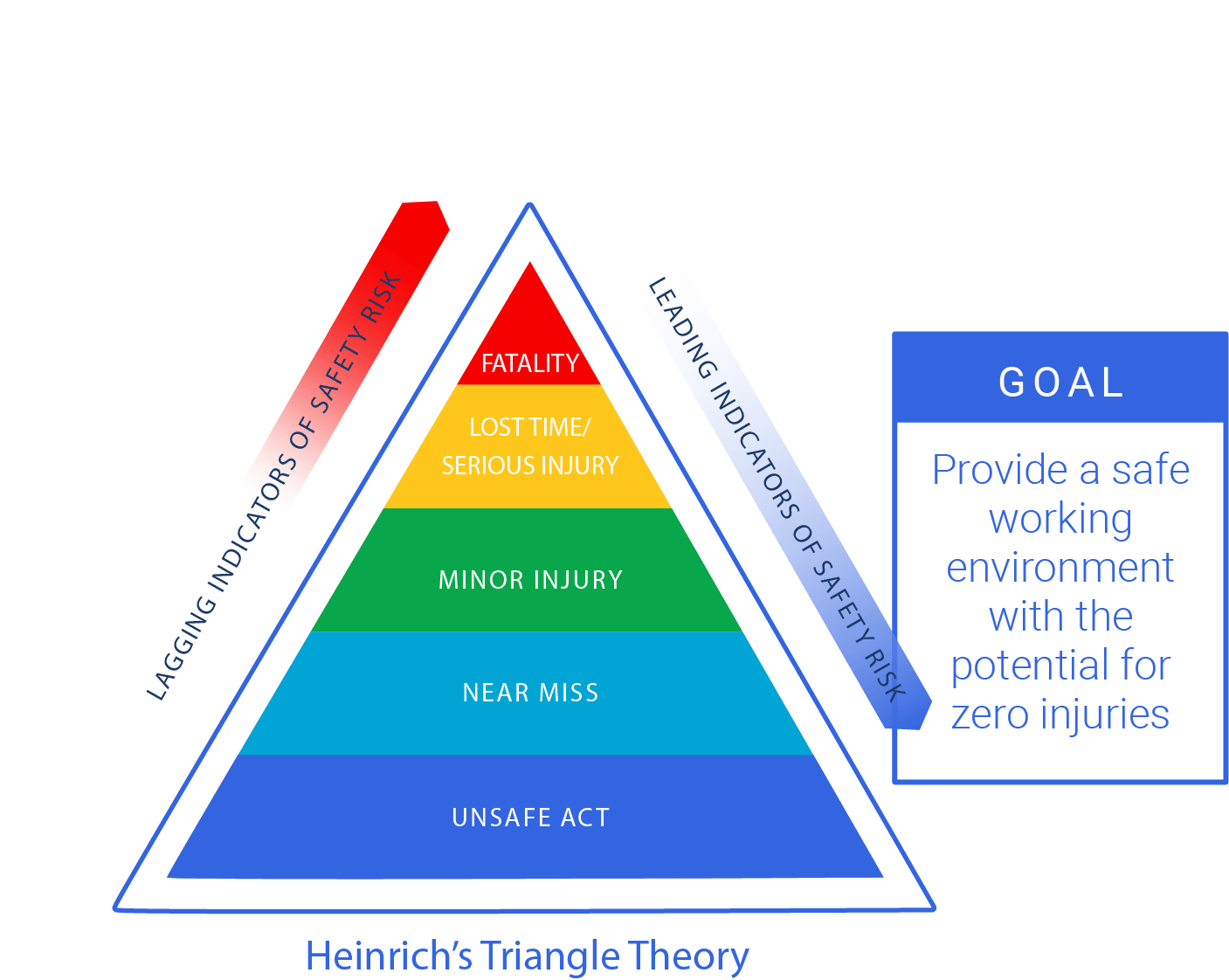
Near Miss Program

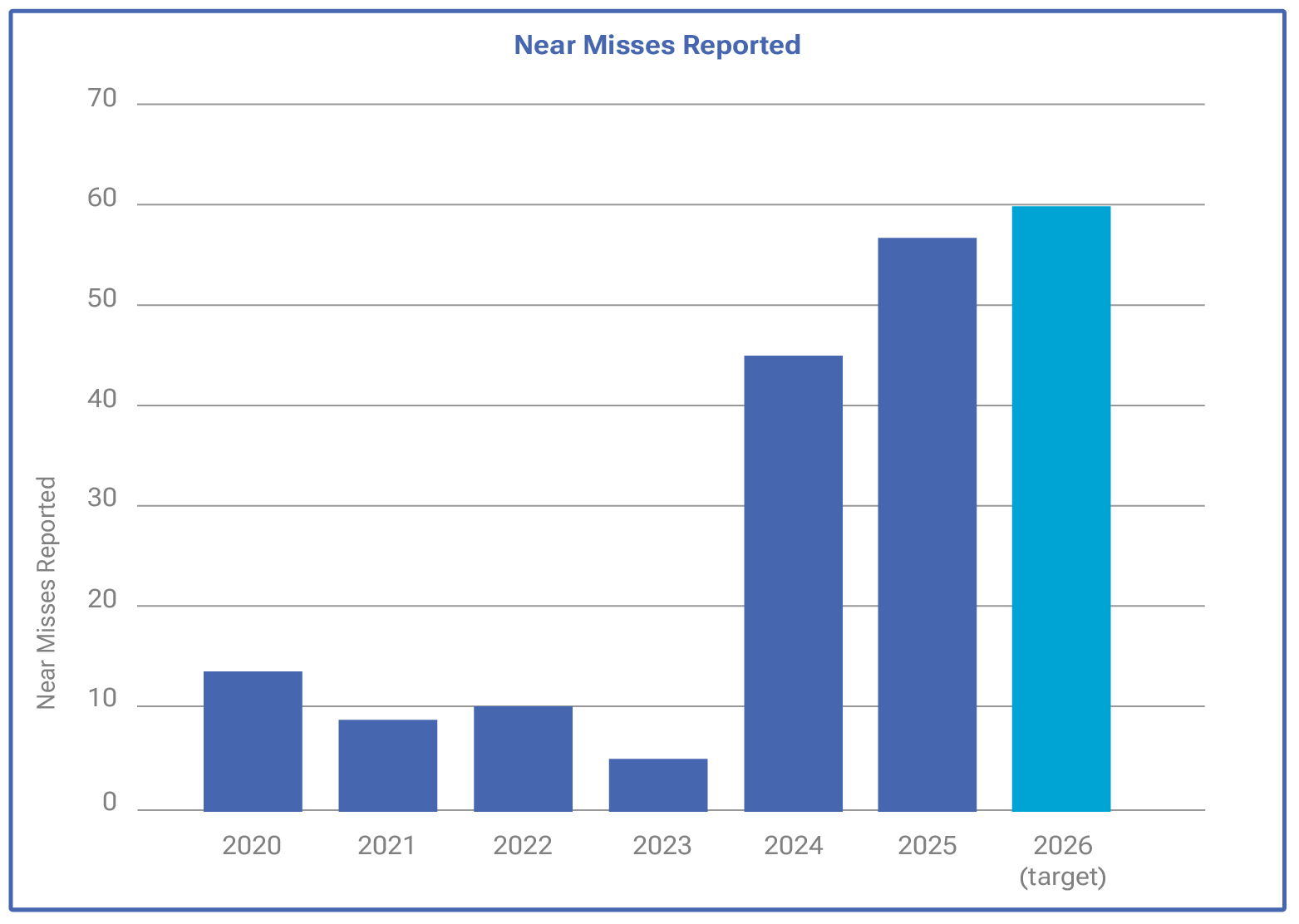
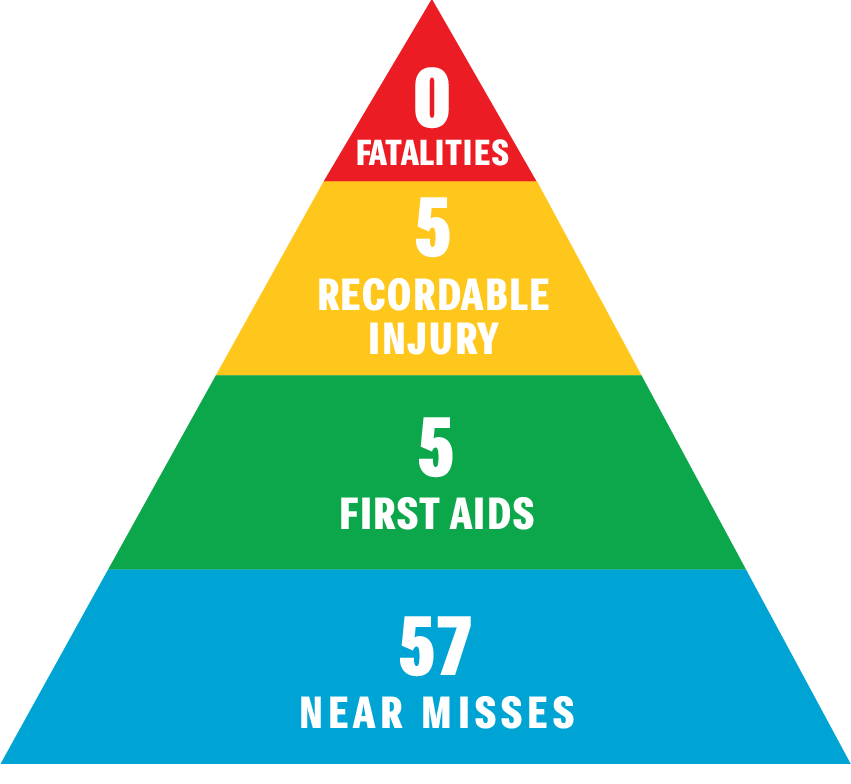
We are passionately focused on reducing safety, quality, and process safety incidents in our operations. One program we developed for this purpose is our Near Miss reporting tool, which allows any team member to report a near miss. We believe that learning from close calls and getting the entire workforce involved in safety programs will help reduce incidents. In 2025, we saw a record level of near misses reported (leading indicator), as well as an increase in injuries (lagging indicator). Heading into 2026, we continue to focus on equipping our entire team to assess the risk of job tasks, share learnings cross-functionally, and take action to reduce risk.

SafeStart is a training program used to reduce incidents by decreasing the frequency of common states and human errors that increase the likelihood of such incidents.
At Shepherd, SafeStart has been baked into the culture for over a decade. The program includes regular company-wide training, sharing experiences, and competency checks through interactive team engagement. SafeStart provides a framework for reflection and self-awareness that can be used to reduce errors both at work and at home.

Protect Our Planet
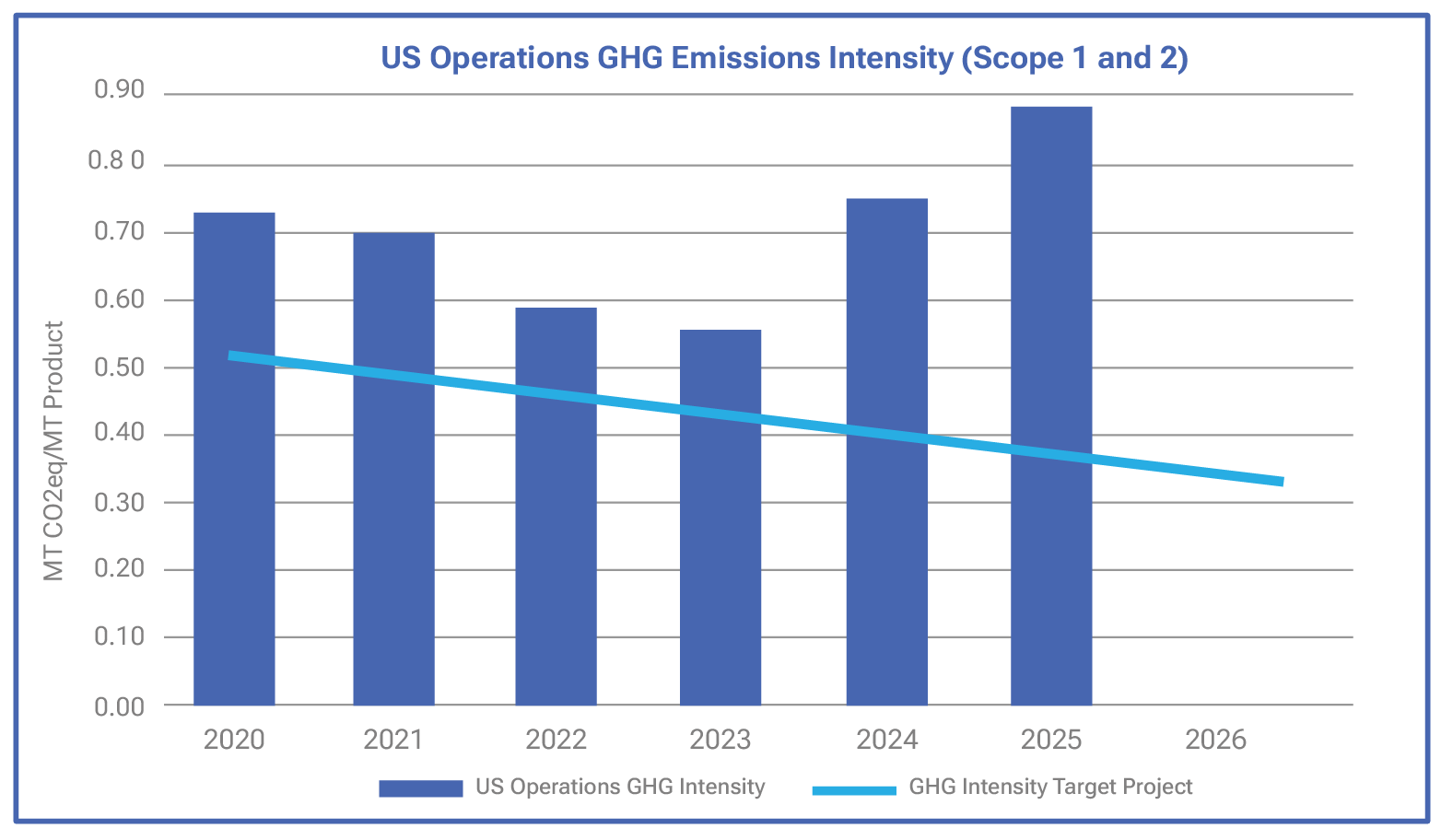
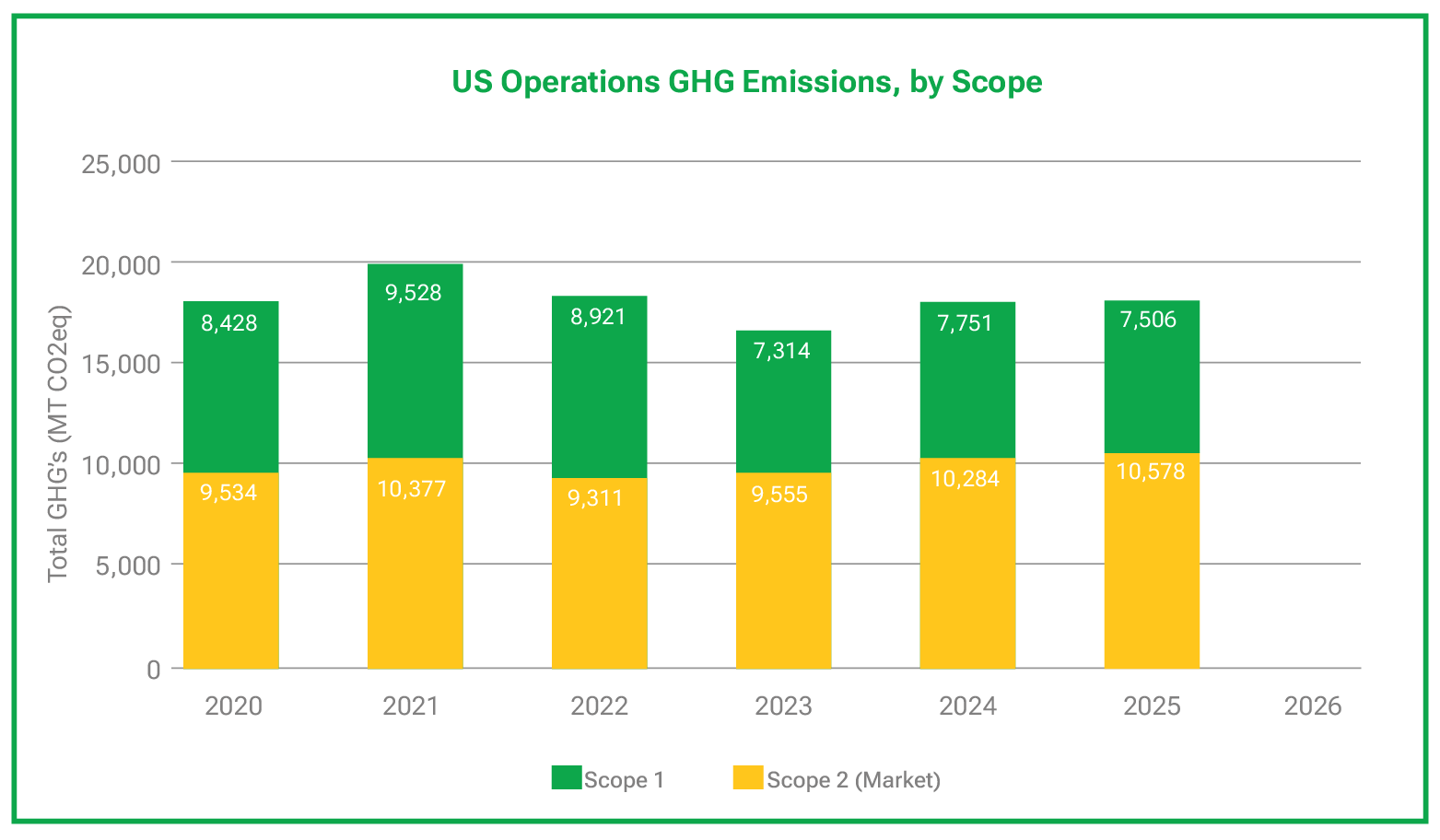
As the electrical grid becomes more sustainable, Shepherd will see decreased emissions associated with its electricity consumption relative to production levels.
Shepherd’s Greenhouse Gas (GHG) emission physical intensity has increased over the last two years, despite goals to reduce it further. This increase has been driven by steady energy consumption and variation in production output. It is typical to see variation in production levels and product mixes each year. As noted in the Conserve – Energy section, there were errors in measuring natural gas consumption levels in 2022 and 2023 that led to lower than typical values. Other factors that can contribute to the increase include energy demand for heating, ventilation, and air conditioning, equipment usage, and the fraction of green energy available on the electrical grid. Shepherd continues to anticipate increased supply of green energy on the electrical grid to support these GHG intensity reduction targets over the next decade.
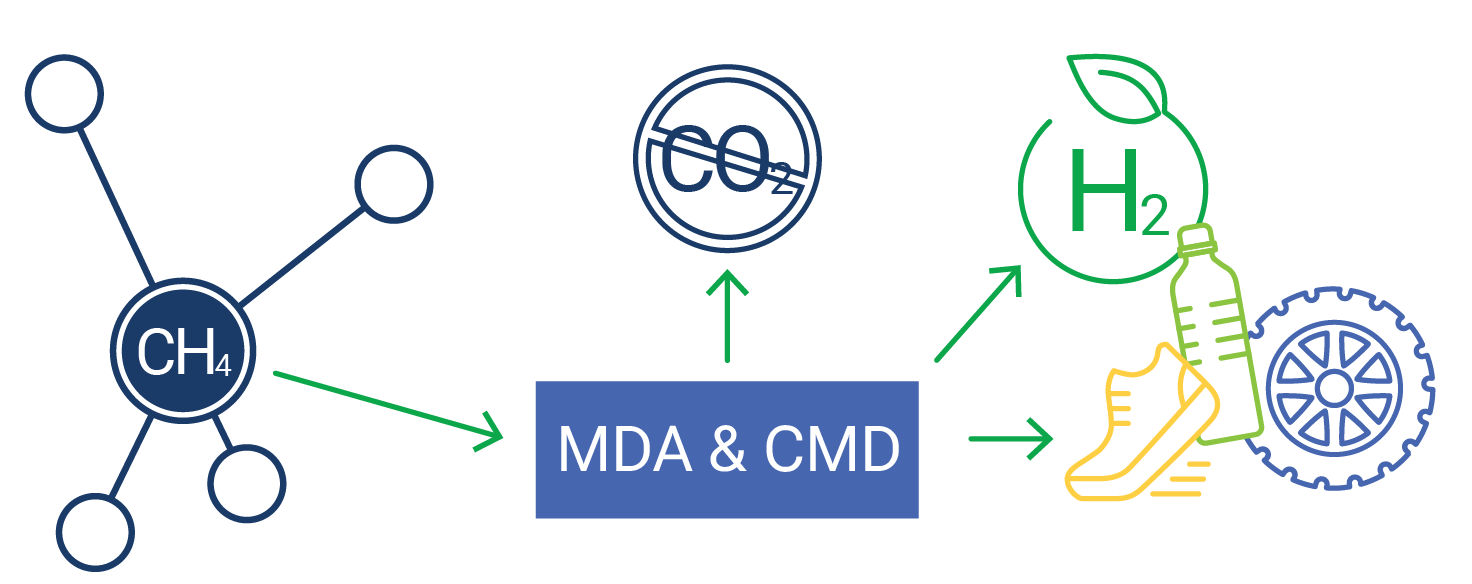
REDUCING CLIMATE IMPACT THROUGH ADVANCED METHANE CONVERSION

The growth of the natural gas industry has motivated significant advances in energy independence and commodity manufacturing (steel, ammonia, etc.) in the United States in the last 20 years. Natural gas, which is primarily methane, has transportation and emissions advantages compared to other energy and chemical feedstock sources. The U.S. has become a net exporter of energy and some commodity chemicals, despite being reliant on overseas sources just a short time ago. However, every advancement comes at a price, and there are opportunities to further reduce climate impacts.
Methane is a potent greenhouse gas, and its combustion generates CO₂, another greenhouse gas. Shepherd Chemical is pursuing two technologies that make long-lasting materials central to the U.S. economy, along with hydrogen, which has many uses in the chemical, steel, and agriculture industries. Hydrogen is also a potential “energy of the future” that generates water as the only combustion product.
First, methane dehydroaromatization is the process of making benzene from methane in one unit operation. Benzene is a precursor to durable polymeric materials used in consumer and building products. There is a supply deficit of related precursors in North America, and this process would provide consistent, high-value use of methane which might otherwise become waste. Shepherd Chemical is working with Virginia Tech and others to develop and commercialize this technology. [5]
Second, catalytic methane decomposition makes solid carbon and hydrogen from natural gas. In another project with Virginia Tech, Shepherd is developing implementations of this approach to make high-value carbon for advanced applications that are currently imported to the U.S. This approach can also help unlock the potential value of hydrogen as a process input or fuel source. Both of these early-stage projects convert a waste stream into valuable materials while simultaneously decreasing the GHG emissions associated with alternative material sources. [6]

contribute
We strive to do the right thing for sustainable metal chemistry by CONTRIBUTING positively to our communities and society by providing products that do good in the world, investing in and supporting education, and offering ongoing Physical, Social, Financial, and Community wellbeing programs for our team members.
Product Spotlight
CHEMISTRY TH AT SAVES LIVES:
ADVANCING AIRBAG SAFETY
The largest recall in history was of automobile airbag modules that could inflate much more energetically than designed. Beginning in 2013, nearly 100 million airbags were recalled due to this problem. It was found that water and oxygen intrusion was causing degradation of the active ingredient resulting in the observed product defect.[7] Starting in the 1990s, Shepherd Chemical has been co-developing, manufacturing, and improving upon a safer alternative technology. This chemistry relies on a highly stable copper compound that both allows the airbag to inflate quickly yet also stop inflating at the “just right” time.
Especially in hot and humid regions, small amounts of water make it through the protective housing of the airbag propellant. In defective airbags, this water partially dissolved the explosive ingredient that it contained. When the active ingredient would resolidify, it no longer had the same particle shapes or sizes as when it was first manufactured. The change in morphology resulted in a material that burned all at once, instead of the expected controlled rate. This seemingly small change was enough to make the explosion happen much more rapidly than the airbag system was designed to handle, leading to broken pieces of the housing ejecting with the bag at the time of deployment. Shepherd Chemical’s basic


copper nitrate (BCN) is inherently safer due to the fact that it is almost totally insoluble in water. Research studies and modeling demonstrate that Shepherd’s product would take thousands of years to degrade in the same way as the alternative material that caused the recall.
Due to the life-critical application of airbags, consistency and purity are paramount in manufacturing BCN. Shepherd’s products are rigorously tested and subject to several processing steps to ensure they are free from contamination. Any product that does not pass testing does not ship to customers and can be reworked into the process. Shepherd consistently achieves 98% and higher first-run capability and on time shipment due to its well-designed process and dedicated employees.
Customers estimate that during Shepherd’s time as a supplier of BCN, the technology has saved tens of thousands of lives. Shepherd is proud to make products that help sustain what matters most: human life and health.
Community Engagement & Employee Experience
WOMEN’S WELLBEING TEAM

As part of Shepherd’s Contribute pillar and our ongoing commitment to team member wellbeing, the Women’s Wellbeing Team was launched in early 2025 to support connection, development, and a sense of community among women across the company.
The group meets monthly and hosts a variety of activities, including guest speakers, community service projects, educational sessions, and informal gatherings like happy hours. These events create space for meaningful conversations, shared learning, and relationship-building.
The team focuses on three core purposes:
- Building connections among the women of Shepherd Chemical.
- Providing peer support and mentorship across roles and locations.
- Creating visibility and encouragement to attract more women and girls to STEM careers.
In support of Shepherd’s commitment to advancing and empowering women across the organization, the group also offers programming and resources tailored to topics that matter most as they navigate their careers. Recent sessions have included a Women in Chemicals Lunch and Learn, a Cybersecurity: Staying Safe Online presentation, and community-focused events in partnership with Baby Bear and Dress for Success. The group also hosts opportunities for connection and celebration, such as a gathering of all the women of Shepherd Material Science at Jungle Jim’s International Market. Each session blends practical tools with supportive dialogue, creating a safe environment where women can learn, share, and grow together.
Through this initiative, Shepherd aims to cultivate shared experiences, supportive networks, positive friendships, and an environment that encourages personal and professional growth. The Women’s Wellbeing Team continues to strengthen the culture by helping women at Shepherd Chemical feel connected and supported.

TOYS FOR TOTS PROGRAM

Committed to making a positive difference in our communities and society, The Shepherd Chemical Company proudly supports the Toys for Tots program each holiday season by collecting new, unwrapped toys for children in need.
This annual initiative reflects Shepherd Chemical’s dedication to giving back and making a meaningful difference in the lives of families during the holidays.
Toys for Tots is a nationally recognized nonprofit organization run by the U.S. Marine Corps Reserve, with a mission to ensure that every child experiences the joy and excitement of Christmas. The program distributes toys to less fortunate children and works year-round to inspire hope and promote goodwill within communities.

For the past three years, Mark Naber, Shepherd’s Quality Control Supervisor, has spearheaded Shepherd’s Toys for Tots collection efforts. Through his leadership, employees across the company have come together to support this important cause, helping extend the spirit of generosity beyond our workplace.
Mark’s passion for Toys for Tots comes from his long-standing involvement with the organization. As he explains:

“I have been giving and working with the Toys for Tots Foundation since 2003 and have not found a better organization for helping children have a Merry Christmas and ensuring all children have a gift under the tree.”
– Mark Naber

Shepherd Chemical is grateful to Mark for his dedication and to all team members who participate in the toy drive each year. Together, we are proud to help brighten the holidays for children and families while reinforcing our shared commitment to community support and social responsibility.
COMMUNITY ENGAGEMENT AND STEM EDUCATION AT SHEPHERD MIRECOURT

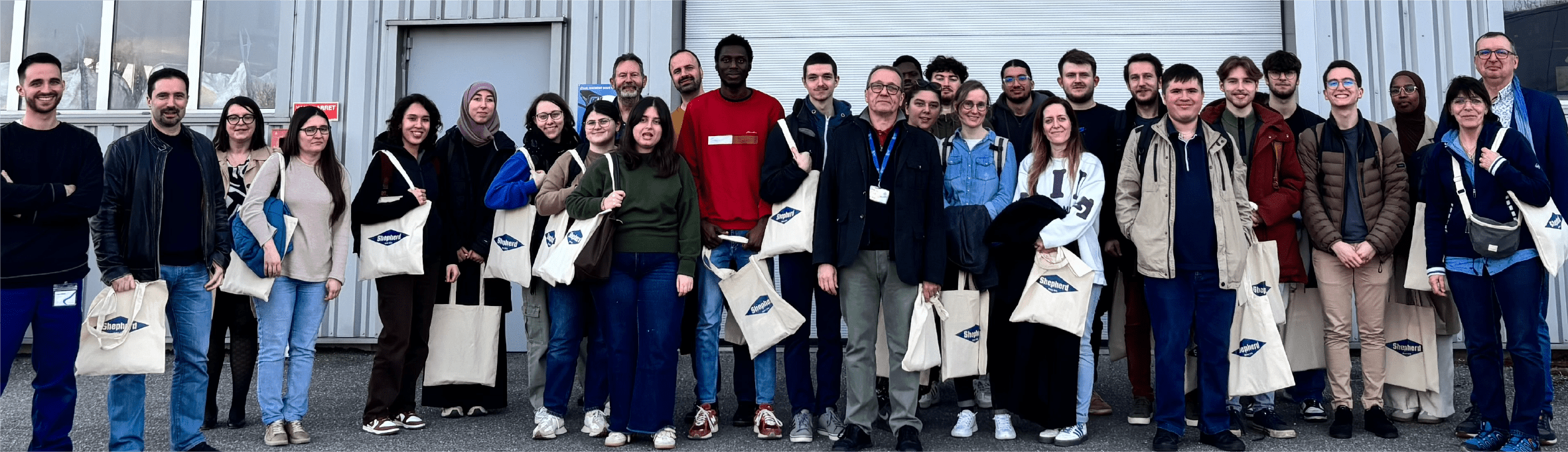
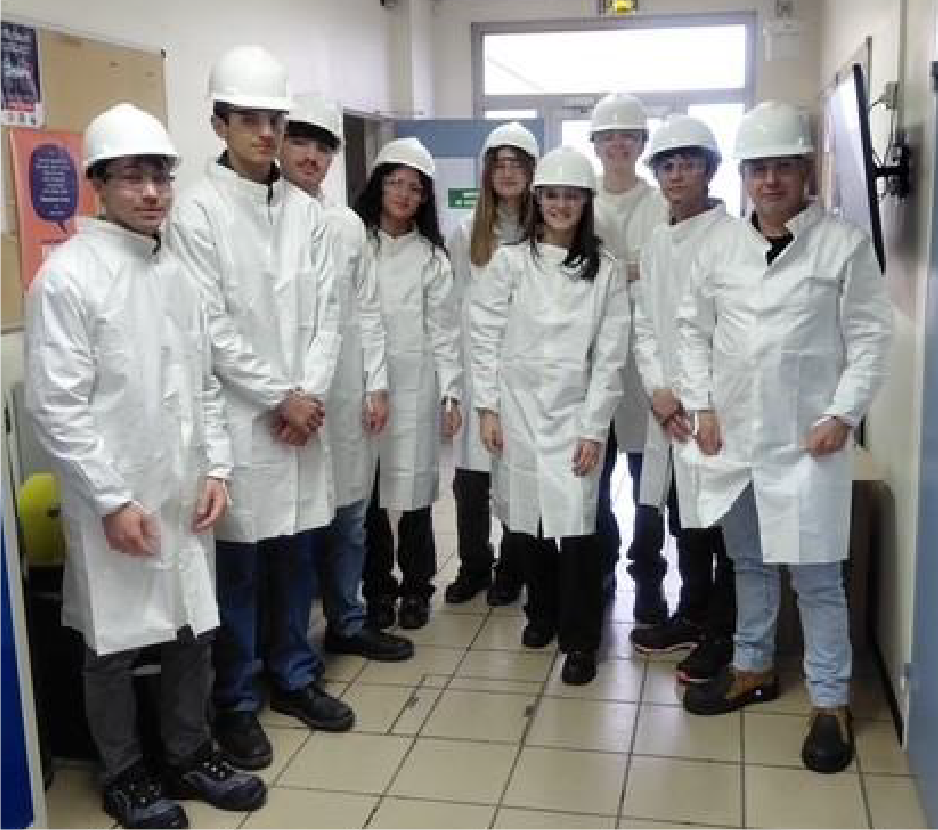
Shepherd’s involvement in the community is a priority, and the Mirecourt team remains committed to supporting local schools and organizations through high quality engagement, mentorship, and educational outreach. Reflecting this commitment, the Shepherd Mirecourt site hosted two visits—welcoming students from Mirecourt High School as well as undergraduate students and faculty from the University of Nancy.
During these visits, students toured the site, received safety briefings, and engaged with Shepherd professionals across key functions, gaining insight into real world STEM careers. University of Nancy students also participated in focused discussions, including a career presentation from the site’s Laboratory Manager that highlighted pathways from academic study to industry.
These engagements provided valuable real world exposure while reinforcing Shepherd’s commitment to workforce development and inspiring the next generation of STEM professionals.
Thank You
Thank you for engaging with Shepherd Chemical’s inaugural sustainability report. In this next chapter of sustainability and innovation, Shepherd continues its longstanding pursuit of fulfilling its Core Purpose —

Creating Value that Brightens Lives
Disclaimer: The information contained in this report is for informational purposes only and does not create any legal rights or obligations. Readers are cautioned not to place undue reliance on past performance or forward-looking statements. Forward-looking statements are based on current assumptions and expectations, which are subject to risks and uncertainties that could cause actual results to differ materially from those projected. Inclusion of information in this report does not necessarily mean it is material to the company’s financial performance. Non-financial data included in this report is based on estimates and assumptions. This data is not subject to the same level of scrutiny as financial data and should be interpreted accordingly.
Scope: The Shepherd Chemical Company (“Shepherd”), a private company headquartered in Norwood, Ohio, U.S., prepared this sustainability report on a consolidated basis for U.S. operations, except where otherwise noted, which may include global operations. For Greenhouse Gas (GHG) emissions, Scope 3 is excluded.
Reporting Period: The report covers the 2025 calendar year, unless otherwise noted.
Trademarks, Trade Names, and Logos: All trademarks, trade names, and logos mentioned or used in this report are
the property of their respective owners.
Changes, Uncertainty, and Verification: While we strive to ensure the accuracy and completeness of the information in this report, it is subject to change and may not be exhaustive. We do not assume any liability for any errors or omissions. Changes to the scope of this report, corrections, base year changes, mergers, acquisitions, and divestitures, or significant methodology changes will be reported in the next edition of the sustainability report. An uncertainty analysis is currently not performed on the data included in this report. Data included in this report is currently not third-party assured or verified.
References:
1. Dutta S, Haggerty DK, Rappolee DA, Ruden DM. Phthalate exposure and long-
term epigenomic consequences: a review. Front Genet. 2020;11:405. doi:10.3389/
fgene.2020.00405.
2. Ranganathan, S., and T. Mukhopadhyay. “Dandruff: The Most Commercially
Exploited Skin Disease.” Indian Journal of Dermatology, vol. 55, no. 2, 2010, pp.
130–134. DOI:10.4103/0019-5154.62734.
3. U.S. Environmental Protection Agency (EPA), Center for Computational
Toxicology and Exposure. ToxValDB: Toxicity values database. Washington (DC):
U.S. Environmental Protection Agency; 2025.
4. Agency for Toxic Substances and Disease Registry (ATSDR). Public health
statement for selenium. Atlanta (GA): U.S. Department of Health and Human
Services; 2014.
5. Sridhar A, Rahman M, Khatib SJ. Enhancement of molybdenum/ZSM 5 catalysts
in methane aromatization by the addition of iron promoters and by reduction/
carburization pretreatment. ChemCatChem. 2018;10(12):2571–2583.
doi:10.1002/cctc.201800002.
6. Harbin HJ, Unruh DK, Casadonte DJ, Khatib SJ. Sonochemically prepared
Ni-based perovskites as active and stable catalysts for production of COx-free
hydrogen and structured carbon. ACS C atal. 2023;13(7):4274–4289. doi:10.1021/
acscatal.2c05672.
7. National Highway Traffic Safety Administration (NHTSA). Orbital ATK research
summary. Washington (DC): U.S. Department of Transportation; 2016.
Contact us for additional information: sustainability@shepchem.com